
 eBusiness
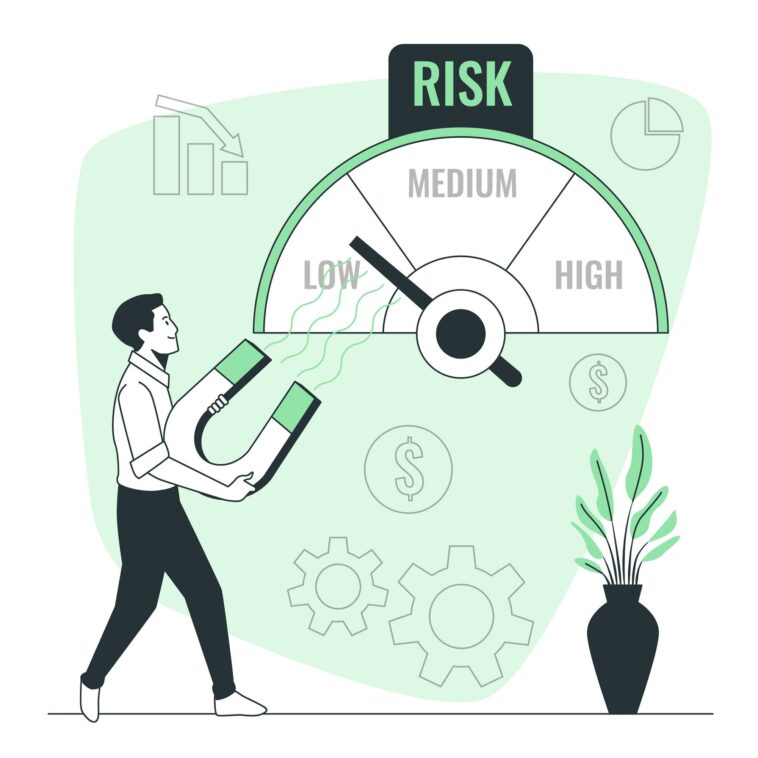
Within the ever-evolving enterprise panorama, characterised by uncertainties, complexities, and a relentless tempo of change, threat administration emerges as a crucial self-discipline. It’s a multifaceted subject that goes past merely safeguarding belongings to actively shaping a corporation’s strategic course, resilience, and long-term viability. This text delves into the world of threat administration, exploring its nuances, methodologies, significance, and the methods it intertwines with the broader enterprise ecosystem.
Defining Risk Management
Risk administration refers back to the course of of figuring out, assessing, and controlling threats to a corporation’s capital and earnings. These threats, or dangers, might stem from all kinds of sources, together with monetary uncertainty, authorized liabilities, strategic administration errors, accidents, and pure disasters. The essence of threat administration lies in maximizing alternatives and minimizing adversarial impacts, thereby enhancing the general worth of a corporation.
Why Risk Management is Indispensable
The indispensability of threat administration is obvious in its multifarious advantages:
- Proactive Resolution-Making: It fosters a proactive mindset, enabling organizations to anticipate uncertainties and make knowledgeable selections.
- Useful resource Optimization: Environment friendly allocation and utilization of assets are facilitated by figuring out and prioritizing dangers.
- Stakeholder Confidence: Demonstrating a dedication to sturdy threat administration enhances confidence amongst stakeholders, together with buyers, prospects, and workers.
- Regulatory Compliance: It aids in complying with trade laws and requirements, thereby mitigating authorized and reputational dangers.
- Sustainability and Resilience: By addressing vulnerabilities and enhancing adaptability, threat administration contributes to organizational sustainability and resilience.
The Risk Management Course of
A scientific threat administration course of is prime to successfully tackle the myriad of dangers organizations face. The course of usually includes the next phases:
- Establish Dangers: Acknowledge the potential dangers that might threaten the group, contemplating inner and exterior components.
- Analyze Dangers: Consider the chance and influence of the recognized dangers, categorizing them primarily based on their significance and urgency.
- Consider and Prioritize: Decide the chance tolerance and prioritize dangers primarily based on their potential influence and likelihood.
- Develop Methods: Formulate methods to mitigate, switch, settle for, or keep away from dangers, aligning with the group’s objectives and assets.
- Implement Methods: Execute the chosen threat administration methods and allocate assets accordingly.
- Monitor and Overview: Constantly monitor the chance atmosphere, overview the effectiveness of threat administration methods, and make changes as wanted.
Varieties of Dangers and Mitigation Methods
Organizations encounter numerous varieties of dangers, every necessitating distinct mitigation methods:
- Operational Dangers: Arising from inner processes, folks, and methods, operational dangers could be mitigated through course of optimization, coaching, and know-how implementation.
- Monetary Dangers: Stemming from market actions, foreign money fluctuations, and credit score points, monetary dangers could be managed through hedging, diversification, and sound monetary practices.
- Strategic Dangers: Originating from aggressive dynamics, market adjustments, and strategic selections, strategic dangers could be addressed through market analysis, situation planning, and strategic flexibility.
- Compliance Dangers: Ensuing from regulatory necessities, compliance risks could be mitigated through authorized session, compliance applications, and common audits.
Risk Management within the Digital Age
The creation of the digital age has launched new dimensions to threat administration. Cybersecurity dangers, information breaches, and technological disruptions necessitate the mixing of superior applied sciences and cybersecurity measures into threat administration frameworks. Synthetic intelligence, information analytics, and blockchain are among the many applied sciences reshaping threat identification, evaluation, and mitigation.
Challenges and Future Instructions
Risk administration faces a number of challenges, together with the speedy tempo of technological change, globalization, evolving regulatory landscapes, and the growing interconnectedness of dangers. Addressing these challenges requires innovation, adaptability, and a holistic method to threat administration. The future of threat administration lies in leveraging know-how, fostering a risk-aware tradition, and integrating threat issues into strategic decision-making.
Conclusion
As companies navigate through uncertainties and complexities, threat administration stands as a beacon, guiding organizations in direction of sustainable success. Its systematic method to figuring out, analyzing, and controlling dangers is pivotal in fostering resilience, enhancing stakeholder confidence, and attaining strategic aims. In a world marked by fixed change and digital developments, embracing sturdy threat administration practices is not only a necessity however a cornerstone for thriving within the aggressive enterprise panorama.

