


In the realm of enterprise technique and planning, SWOT Analysis stands out as a tried-and-true methodology, providing complete insights to organizations aiming for progress and sustainability. This method, specializing in Strengths, Weaknesses, Alternatives, and Threats, supplies a structured method to evaluating inside and exterior components influencing a company’s success. This text delves deep into the intricacies of SWOT Analysis, elucidating its significance, methodology, purposes, and real-world impression in shaping enterprise trajectories.
Understanding SWOT Analysis
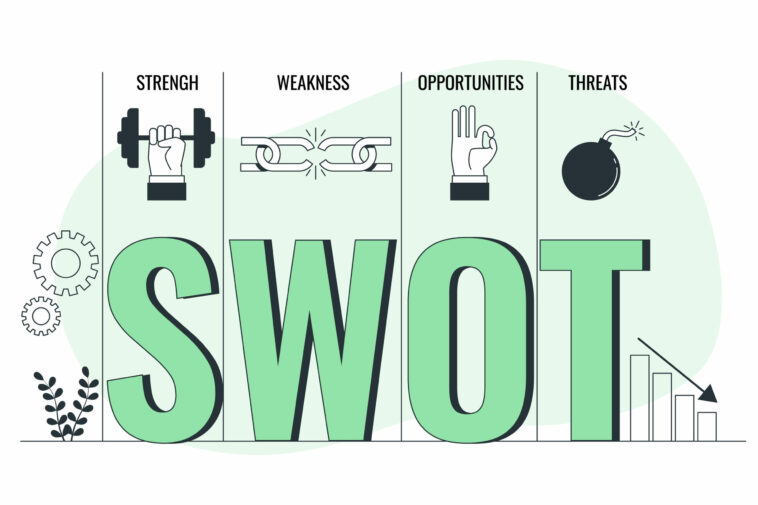
SWOT Analysis is a strategic planning instrument that helps companies establish their Strengths, Weaknesses, Alternatives, and Threats. This methodology assists organizations in understanding their inside capabilities and exterior environments, forming the foundation for knowledgeable decision-making, strategic alignment, and purpose setting.
- Strengths: Inside attributes that give a company a bonus over its rivals.
- Weaknesses: Inside components that current disadvantages or hinder the group’s efficiency.
- Alternatives: Exterior circumstances that the group can capitalize on for progress and success.
- Threats: Exterior components that would probably hurt the group’s place or efficiency.
The Significance of SWOT Analysis
Conducting a SWOT Analysis is of paramount significance for a number of causes:
- Strategic Planning: It lays the basis for the growth of strategic plans, aligning organizational sources and capabilities with market alternatives and challenges.
- Knowledgeable Choice-Making: By offering a complete overview of inside and exterior components, SWOT Analysis helps knowledgeable and balanced decision-making.
- Danger Administration: Figuring out and understanding threats allow organizations to develop proactive measures to mitigate dangers and navigate uncertainties.
- Aggressive Benefit: Recognizing and leveraging strengths, whereas addressing weaknesses, assist organizations construct and keep a aggressive edge in the market.
Conducting a Complete SWOT Analysis
An intensive SWOT Analysis entails a sequence of steps to make sure that the ensuing insights are related, actionable, and conducive to organizational success:
- Outline Goals: Clearly articulate the objectives of the SWOT Analysis in alignment with the group’s targets and techniques.
- Collect Information: Accumulate related information and knowledge pertaining to inside capabilities and exterior market circumstances.
- Determine Strengths and Weaknesses: Analyze inside components, contemplating facets equivalent to sources, experience, processes, and organizational construction.
- Acknowledge Alternatives and Threats: Study exterior components, together with market tendencies, competitors, regulatory surroundings, and technological developments.
- Formulate Methods: Develop actionable methods primarily based on the insights gained, addressing recognized weaknesses and threats whereas capitalizing on strengths and alternatives.
Purposes of SWOT Analysis throughout Industries
SWOT Analysis is flexible and extensively relevant throughout varied industries and sectors. From healthcare and training to expertise and retail, organizations leverage this system to realize strategic insights, optimize efficiency, and navigate market dynamics. By tailoring the method to industry-specific contexts and challenges, SWOT Analysis stays a related and worthwhile instrument for organizations of every type and sizes.
Case Research: Actual-World Impression of SWOT Analysis
A number of organizations have efficiently employed SWOT Analysis to tell their methods and drive optimistic outcomes. Firms equivalent to Apple, Amazon, and Toyota have utilized this methodology to establish progress alternatives, mitigate dangers, and strengthen their market positions. These instances underscore the sensible utility and transformative potential of SWOT Analysis in shaping the destinies of companies.
Challenges and Options in SWOT Analysis
Whereas SWOT Analysis is a worthwhile instrument, it isn’t with out its challenges. These embrace the threat of oversimplification, subjectivity in evaluation, and the dynamic nature of enterprise environments. Addressing these challenges requires a balanced and goal method, steady monitoring and updating of study, and integration with different strategic planning instruments and frameworks.
Conclusion
In conclusion, SWOT Analysis stands as an indispensable method in the strategic planning arsenal of organizations. By providing a structured method to evaluating inside capabilities and exterior environments, this methodology guides knowledgeable decision-making, threat administration, and technique formulation. The flexibility and applicability of SWOT Analysis throughout industries, coupled with its real-world impression, underscore its enduring relevance and worth in steering organizations towards progress and sustainability.